
In Defense of 3D Printed Art
“3D printing is already shaking our age-old notions of what can and can’t be made.” – Hod Lipson
This post is going to take you to a journey into the world of 3D printed art. You know, the artwork that came from the wrong side of the tracks, talks smack to its parents, and is generally going down the wrong path? All kidding aside, 3D printed art has a bad reputation. It can be considered “hacky” and “cheap.” As an artist that has used various mediums in which to craft items, in my opinion, not all 3D printed art is on the same level.
Hobbyists across the globe are purchasing 3D printers to toy around with. After all, 3D printers are far more affordable than when I started my own 3D printing journey. As I write this you can get a halfway decent 3D printer for just a few hundred bucks. So, many unwrap their 3D printers, excited about the world of possibilities that’s laid out before them. “I can make all kinds of stuff now!” they enthusiastically proclaim. Then, a lot of them head on over to Thingiverse or Printables which are repositories for free, downloadable 3D printing files and spend way too much time scrolling through the thousands the possibilities that lay ahead: from poorly-designed throw-away items to some cool gadgets and intricate designs. Many also gravitate towards the “print-in-place” multicomponent items that enables the printing of a series of multi-part prints that yields moveable joints without assembly. Some very popular items such as articulated dragons and octopi are as ubiquitous as flies on sh…iny garbage cans. Watch that dragon tail swish or those octopus arms flail around! While I applaud the ingenuity of all who has made these incredible designs for common use, like many trends people easily grow tired and irritated by them. Those who have unleashed the possibilities of the 3D printing world at their fingertips can also decide to take any current design/3D drafting knowledge and apply it to their new machine or easily watch several hours of YouTube university videos on a plethora of 3D CAD programs fitting various skill levels and/or budgets to broaden the horizons of the user.
How can such a beautiful machine for crafting a wide variety of useful items in-house find itself in the doghouse in terms of the art it can create? It pares down to two things: a dollar-store crafting image due to the proliferation of common Thingiverse items and that these items are made from plastic with a machine. Nothing says, low rent to the upper crust of creativity like 3D printing am I right?
The Dollar Store Image: if you scroll through Etsy searches on 3D printed items you will find multitudes of similar designs that look like they were just printed and posted. Articulated dragons and the like can be found on page after page, listing after listing, in so many colors and varieties. It’s like Thingiverse threw up all over the internet. This contagion has spread to craft fairs as well giving many artists the impression that the “trash” has moved into their territory. Whether intended or not, these 3D printed items can leave people with an image of plastic dollar store toys or decorations that are cheap to make and made cheap. The sad thing is, someone could have designed these items from scratch, printed them, but because they are akin to someone else’s design or appears to be too plain of a product people may write it off as “cheap.” Perhaps the seller has mistakenly thought that since these items are so prevalent, that this is the market they would need to tap into. Don’t get me wrong, the people who’ve designed these dragons and so on has also created something cool, but the fact that they’ve become as common as college-age drinking has greatly devalued the concept. Others undoubtedly are just printing stuff from Thingiverse hoping to make a quick buck via free, unlicensed or low-cost licensed downloads.
It’s Fantastic, but Made of Plastic sigh: plastic has the reputation of being a cheap material. The most common varieties of plastic are. Especially, with 3D printing. Materials such as PLA & PTEG dominate the bunch at around $15-$20 per 1kg spool. The material is so inexpensive that it often costs more money to recycle plastic than to make new plastic! So, whether you’ve made a recreation of a Rembrandt with your 3D printer, someone’s going to scoff at the fact that it was made from plastic and on an automated machine. Why not make it out of glass, wood, textiles, or metal? Now those materials are sexy!
I’m sure there are many examples of plastic products that readily defies the “cheap” moniker. The example of Legos more-readily comes to mind. Lego sets are mass-produced injected-molded plastic pieces that have a premium price tag and a branding that goes beyond many other plastic-based toys. The popularity of the brand, the glossy, rich colors, the designs, and the utility of the product makes many overlook the fact that they’re just simply mass-produced plastic shapes. One my age (in my mid 40s) can scoff at the Transformers action figures today and say things like, “Back in my day, these things were mostly made of metal. Look at the low-quality plastic they’re using!” I’m sure many children and parents could look at many of today’s toys wishing the material would be a bit more rigid, higher quality, and appear to deliver the quality that matches the premium price tag. But then again, other products are right on the money. They’re cheap across the board!
What would it take for the public to recognize some 3D printed items as treasure trove trendy versus basic, bargain bin BS? I assume it would take more ambassadors making next-level products that will make people think, “What? They printed that? No way!” Jaws will be dropping, printers-a-popping, and there’s no stopping… Ahem, well we can expect a bright future ahead I suppose. Trends have a way of evolving over time. I believe days of dollar store printing will be shortly coming to an end. As more people realize that this fad is fading, it’ll be time for those with a passion for design and the willingness to push 3D printing to the edges of its current capabilities to make a name for themselves. For designers like myself, we don’t just download and print. We spend hours designing and perfecting these products from scratch. Sometimes it takes many prototypes before getting something just right. There are many idiosyncrasies within this 3D printing game between CAD programs, slicers, and the printers themselves that you must be familiar with before you can produce something extraordinary and consistent. All of this must be taken into consideration when evaluating the work of someone who uses these machines.
I’ve been using 3D printers for almost a decade. I spend a lot of time tinkering with Autodesk Fusion and the Prusa Slicer to get that damn printer to print what I want resulting in more premium products. This year, I’ve been experimenting with translucent PETG filaments to see what kind of interesting suncatcher concepts that I could create that would exceed certain limitations of the stained glass variety. I’ve made two butterfly suncatchers that are more-lifelike than anything I’ve previously made in stained glass. The best part is you don’t have to worry about accidentally dropping these suncatchers on the floor. It hasn’t been easy. Multi-material printing is still in its infancy. Slicer programs love to do things to your designs that are unexpected. When you work with nothing but opaque filaments, you don’t have to worry about layering as much. When you work with translucent filaments, slicers have a tendency to interweave the various materials within middle layers for strength and that doesn’t always mesh well with what I’m trying to do. No pun intended. I’m experimenting with Christmas ornaments, working to make some designs that go beyond the mundane 3D printed ornaments that are currently on the market. Ultimately, I want the reaction to be “Wow! A 3D printer did that?!” If that’s not the reaction, then I need to keep working at it. You can judge for yourself from the pictures in the gallery associated with this article. Did these items exceed your expectations or is it all merely a pile of plastic “stuff?”
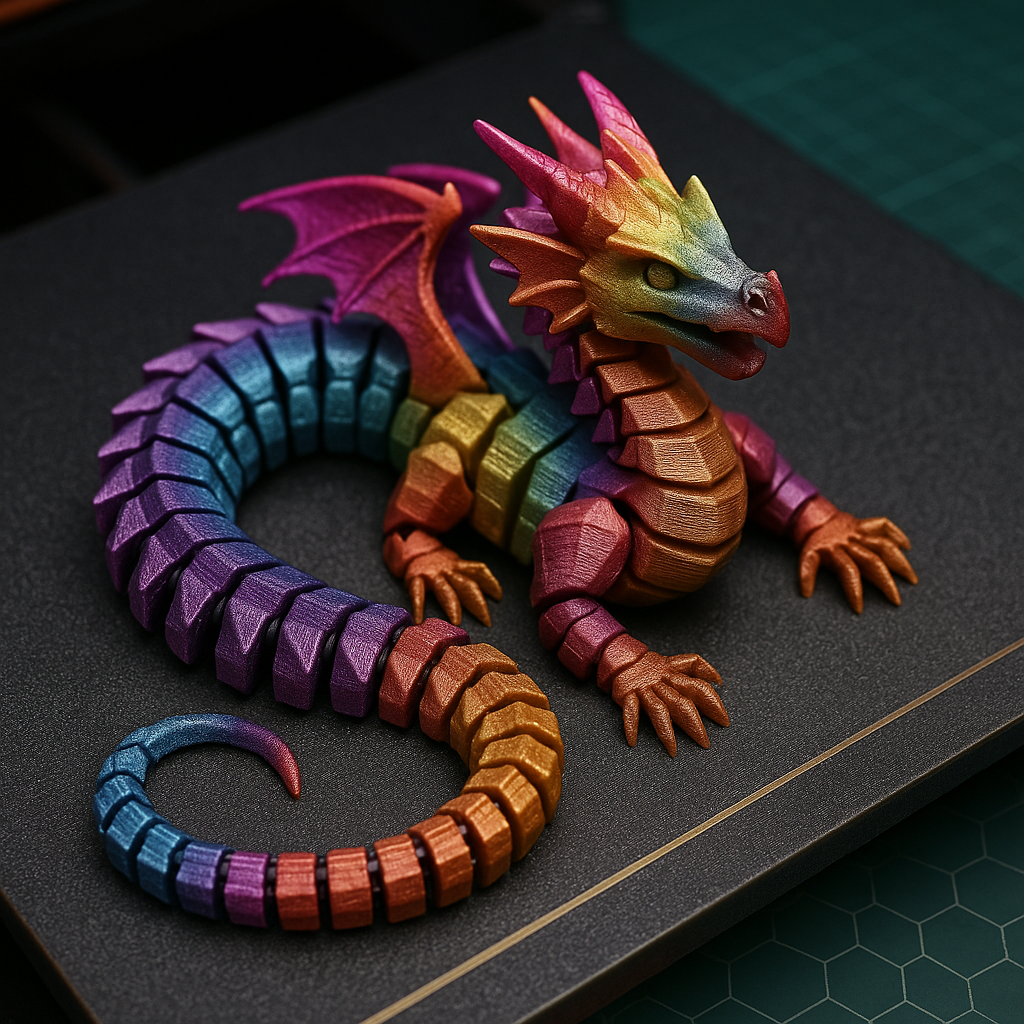
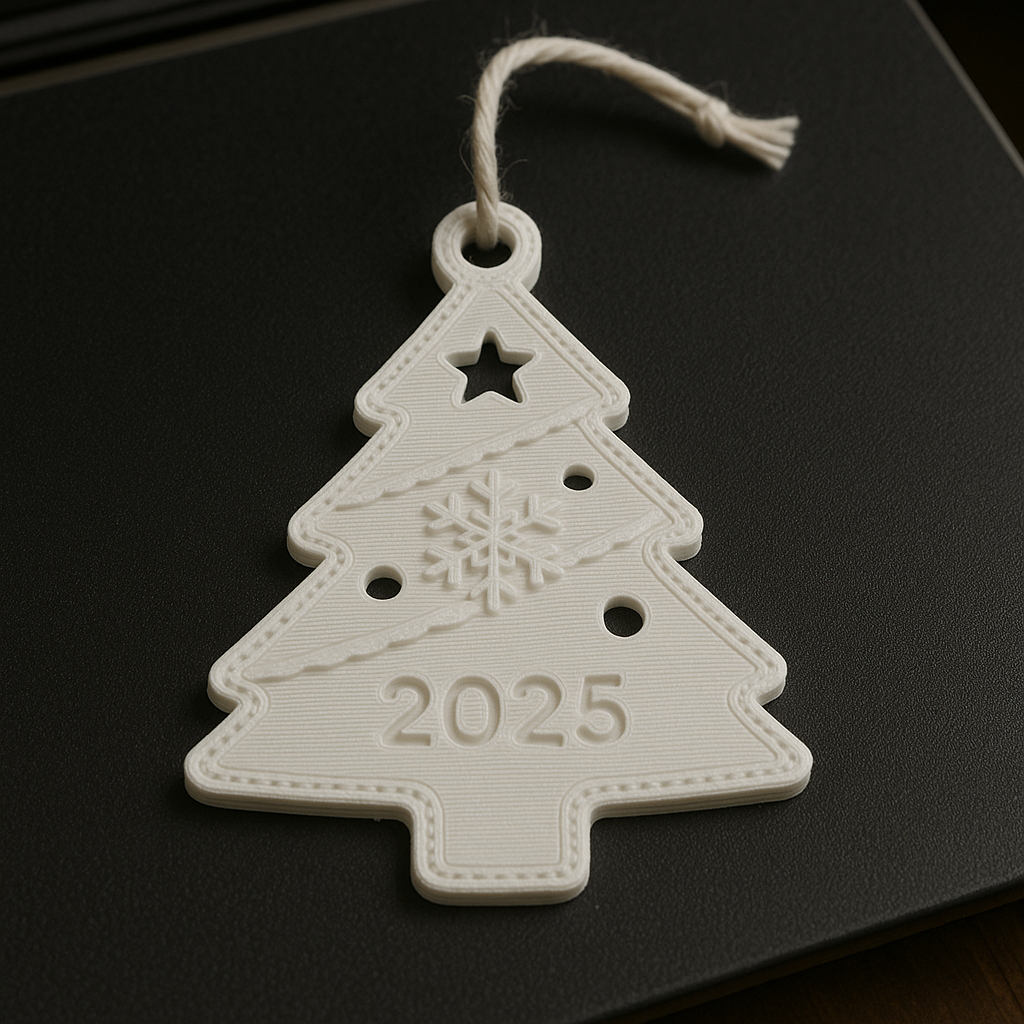
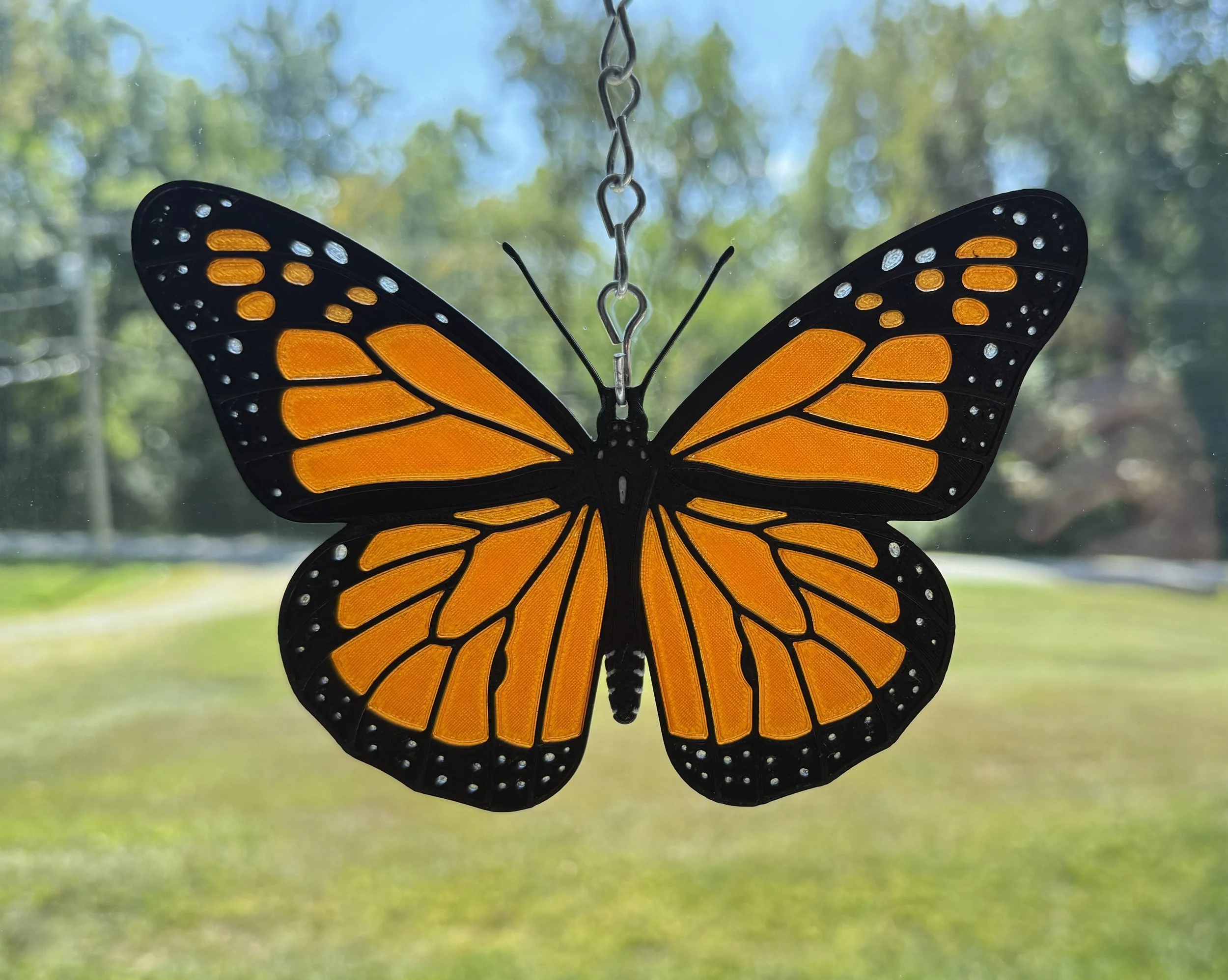
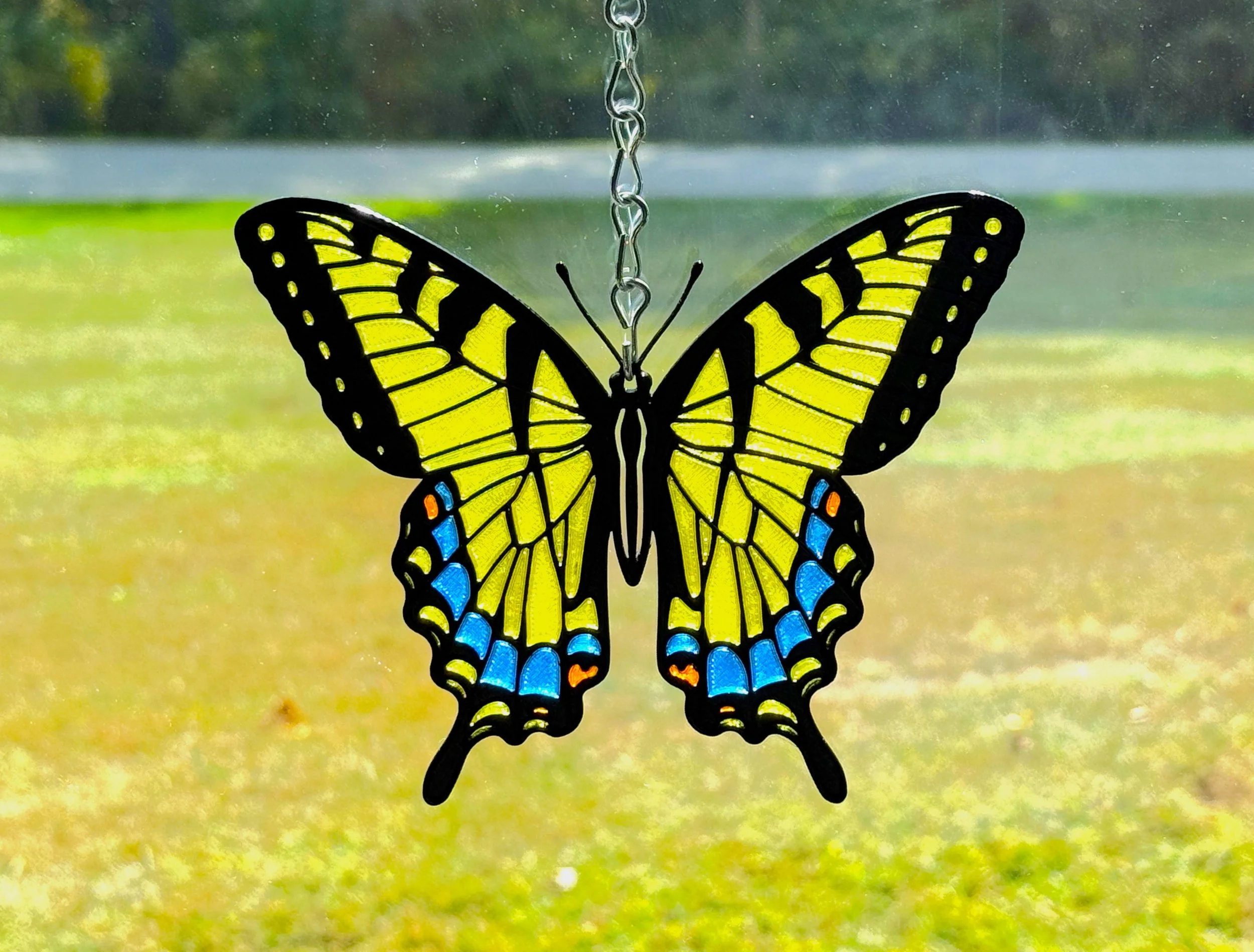
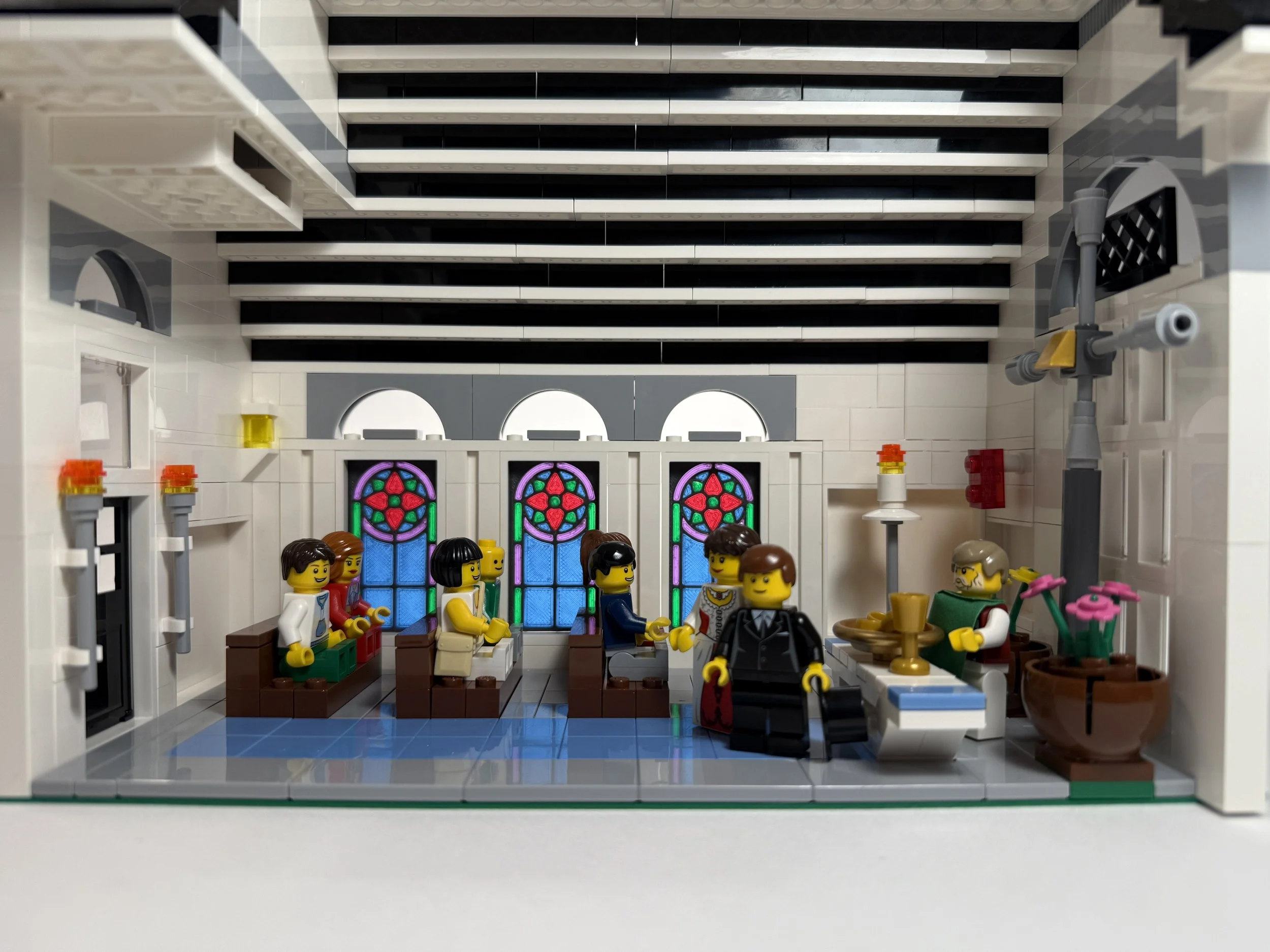
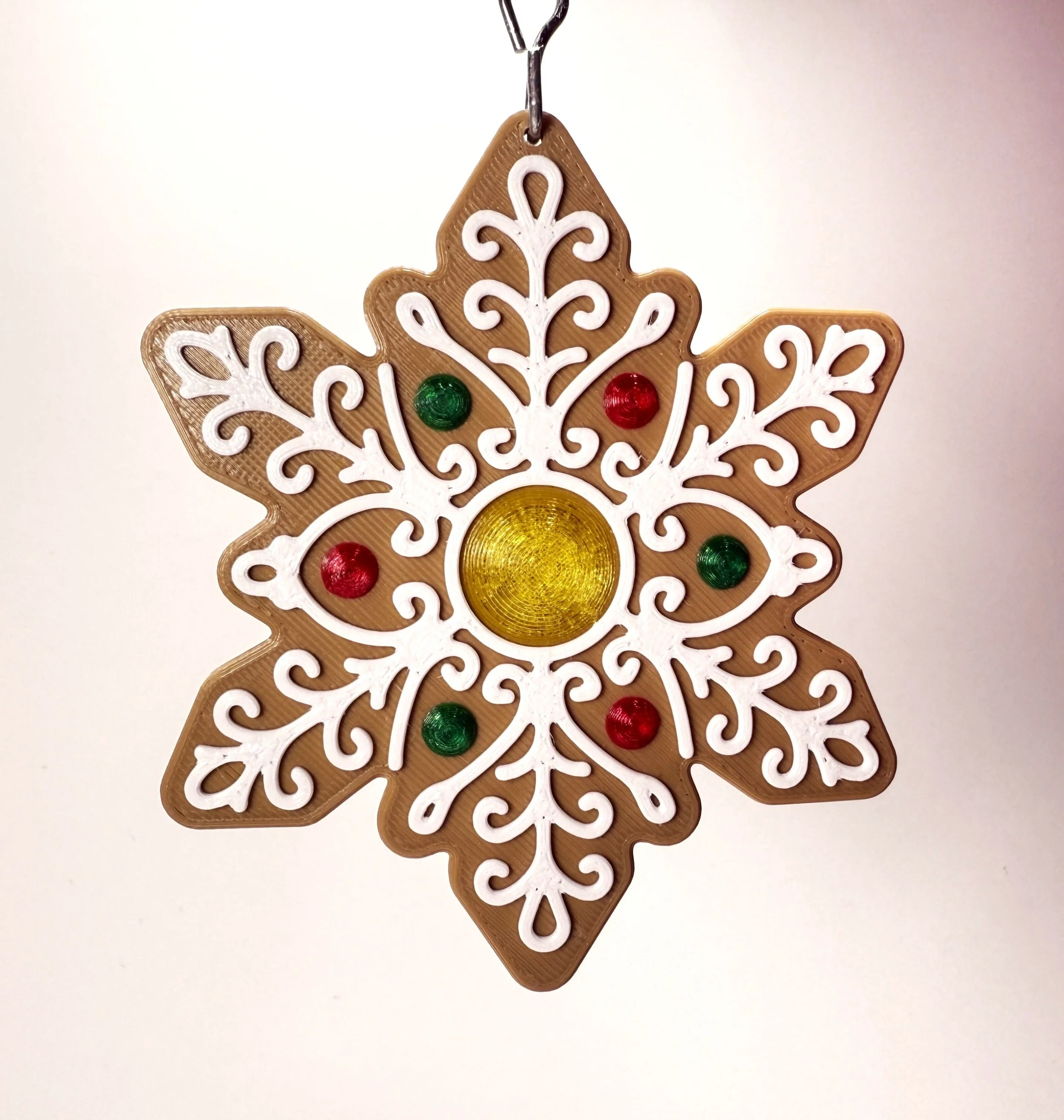
(From left to right) AI-generated image of a common 3D printed articulated dragon, AI-generated image of common 3D printed ornaments, my Monarch Butterfly suncatcher, my Eastern Tiger Swallowtail Butterfly suncatcher, my "stained glass" Lego window inserts, my gingerbread style snowflake ornament.
Subscribe on Substack to receive new updates.